
Autoclave-Ready Body Jewelry: What Piercing Studios Should Know Before Sterilization

Admin
Oct 14 — 4 mins read
Autoclave-Ready Body Jewelry: What Piercing Studios Should Know Before Sterilization
For professional piercing studios, sterilization is part of everyday workflow.
But one point is easy to overlook:
Not every piece of body jewelry should automatically be treated the same way in an autoclave.
Material, construction, decorative elements, coatings and packaging can all affect whether a product is appropriate for a particular sterilization process.
For studios, the safest approach is not to assume.
It is to know what the jewelry is made from, check the available product documentation, and follow the instructions for the sterilizer and the specific product being processed.
What Does “Autoclave-Ready” Mean?
In practical terms, autoclave-ready jewelry is jewelry designed from materials and construction that can tolerate the intended sterilization process without being damaged or losing its function.
That does not mean every material or decorative product should automatically go through the same cycle.
Studios should consider:
- base material
- coating or surface treatment
- stones or decorative components
- adhesives, if any are present
- threading or mechanical components
- packaging
- manufacturer instructions
Before sterilizing unfamiliar jewelry, review the product information and supporting documentation available from the supplier.
Shining Light provides a dedicated Certifications section where studios can review available material tests, mill certificates and sterilization-related documentation.
Material Matters
Body jewelry can be produced from several different materials, and they do not all behave in exactly the same way.
Shining Light carries jewelry across materials including:
- ASTM F-136 titanium
- surgical steel
- solid gold
- BioFlex and PTFE
- selected organic materials
- other specialized materials
You can review these categories through our Jewelry by Material section.
For professional studio use, knowing the actual material specification is more useful than relying on a broad description such as “metal jewelry.”
Titanium and Surgical Steel
Titanium and surgical steel are widely used across professional body jewelry because of their strength, corrosion resistance and suitability for many studio applications.
However, studios should still confirm the exact product and finish before sterilization.
For example, a simple polished titanium labret is not necessarily the same product as a piece containing decorative stones, multiple assembled components or a specialized surface finish.
The safest rule is simple:
Sterilize the complete product according to its documented suitability — not only according to the name of the base metal.
Studios looking specifically for titanium products can browse Shining Light’s ASTM F-136 titanium jewelry alongside other material categories.
Do Coatings Change the Situation?
They can.
PVD finishes and other decorative surface treatments are engineered differently from the underlying metal.
A high-quality coating may tolerate professional processing well, but studios should still avoid assuming that all coated products from all suppliers behave identically.
Before processing colored or coated jewelry:
- verify the base material
- review available documentation
- check supplier guidance
- avoid exposing the jewelry to processes not recommended for the product
This is particularly important when studios are handling multiple brands or product types from different manufacturers.
Stones and Decorative Elements Need More Attention
A plain metal barbell is relatively simple.
A decorative piece containing stones, glued elements, resin, enamel or multiple materials may require additional consideration.
Potential concerns include:
- heat sensitivity
- adhesives
- expansion between different materials
- surface discoloration
- loosening of decorative components
For that reason, studios should never assume that because the metal portion is suitable for sterilization, every decorative version of the product is automatically suitable as well.
When in doubt, check the specific product information or contact Shining Light before processing.
Clean First, Sterilize Second
Sterilization does not replace proper preparation.
Jewelry entering a sterilization workflow should be handled according to the studio's validated procedures for cleaning, inspection, packaging and sterilization.
Visible contamination or residue should not simply be “sterilized away.”
This principle also applies to instruments and other reusable studio equipment.
Shining Light's Piercing Supplies section includes professional studio essentials designed to support organized piercing workflows.
Do Not Guess the Sterilization Cycle
Studios sometimes look for one universal temperature and time recommendation.
That is not a good approach.
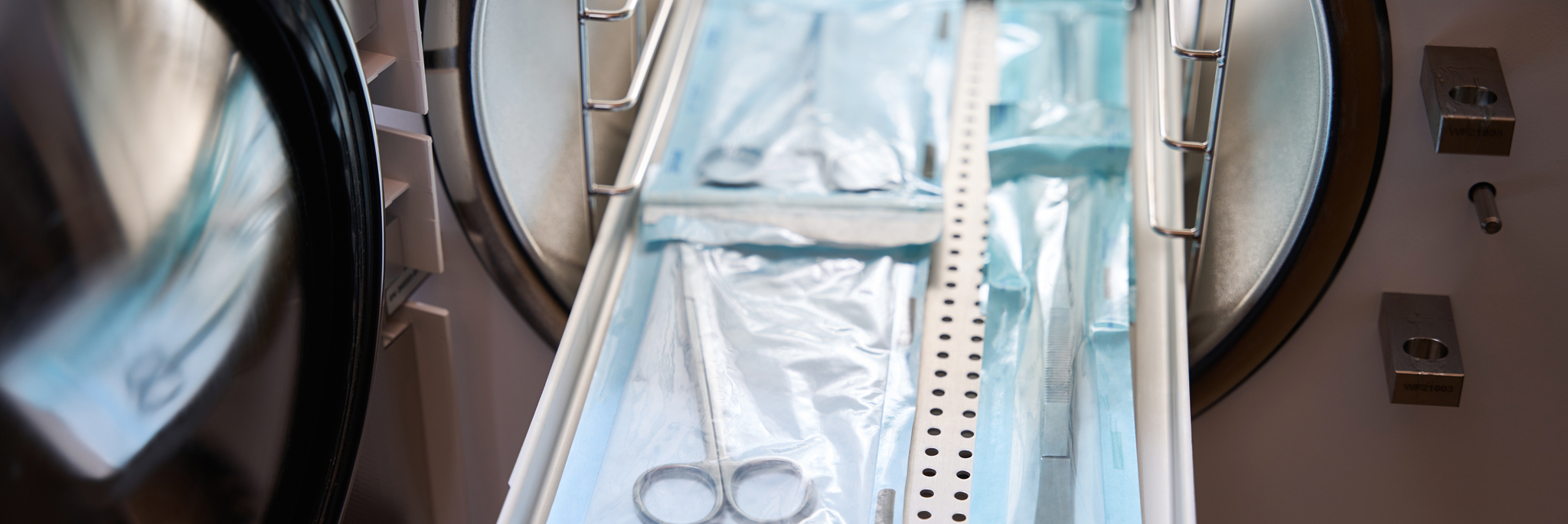
The correct sterilization cycle depends on factors such as:
- sterilizer model
- validated cycle
- packaging system
- load
- material
- product construction
- manufacturer instructions
Studios should follow the validated operating instructions for their autoclave and the documented requirements for the jewelry or instrument being processed.
This is more reliable than copying a temperature and time from a generic online guide.
Pre-Sterilized Jewelry Can Simplify Workflow
For some studios, using professionally sterilized jewelry can reduce preparation steps and simplify inventory for selected procedures.
Shining Light carries a dedicated Sterilized Body Jewelry category within the body-jewelry range. The site also provides sterilization-related documentation through its Certifications section.
When ordering sterilized products, studios should still check:
- packaging integrity
- product identification
- expiry information where applicable
- storage conditions
- documentation
If the sterile package is damaged or compromised, the product should not simply be assumed to remain sterile.
Inspect Jewelry After Processing
Jewelry should also be visually inspected after processing and before use.
Look for:
- discoloration
- surface changes
- loose stones
- damaged threading
- distorted components
- compromised hinges or mechanisms
- damaged packaging
This is particularly important for more complex products such as clickers, threaded components and decorative tops.
Keep Material Information Available to Your Team
A studio carrying dozens or hundreds of SKUs can quickly become difficult to manage if the staff does not know what each product is made from.
Organizing inventory by material can make sterilization, customer consultation and restocking easier.
Useful information to retain includes:
- material
- gauge
- length or diameter
- threading type
- finish
- sterilization status
- supplier documentation
For measurement support, studios can refer to Shining Light’s Size Chart, which includes gauge, length and ball-size references.
Professional Workflow Starts With Product Knowledge
Sterilization is not only about owning an autoclave.
It requires understanding what is being processed and following a consistent, validated studio procedure.
Before placing jewelry into a sterilization cycle, ask:
Do we know exactly what this product is made from, how it is constructed and whether it is suitable for this process?
That simple check can help prevent product damage and reduce unnecessary uncertainty.
Shining Light supports professional piercing studios with body jewelry, piercing supplies, material documentation and product information.
If you need help checking a specific product before ordering, contact our team.