
What Every Piercing Studio Should Always Keep in Stock

Admin
Aug 06 — 3 mins read
Every piercing studio has its own style, customer base, and service focus. But when it comes to daily operations, some product categories consistently matter more than others.
The challenge is not only deciding what to buy. It is deciding what should always be available.
For studios, the best in-stock range is the one that supports the most common services, the most frequent replacements, and the most reliable upsell opportunities without creating unnecessary stock pressure.
Start With Your Core Service Jewelry
The most important stock is usually the jewelry directly tied to your most common piercing services. That often includes:
- flat back studs
- labret-style basics
- internally threaded or threadless staples
- clickers and hinged rings
- standard barbells
- belly rings
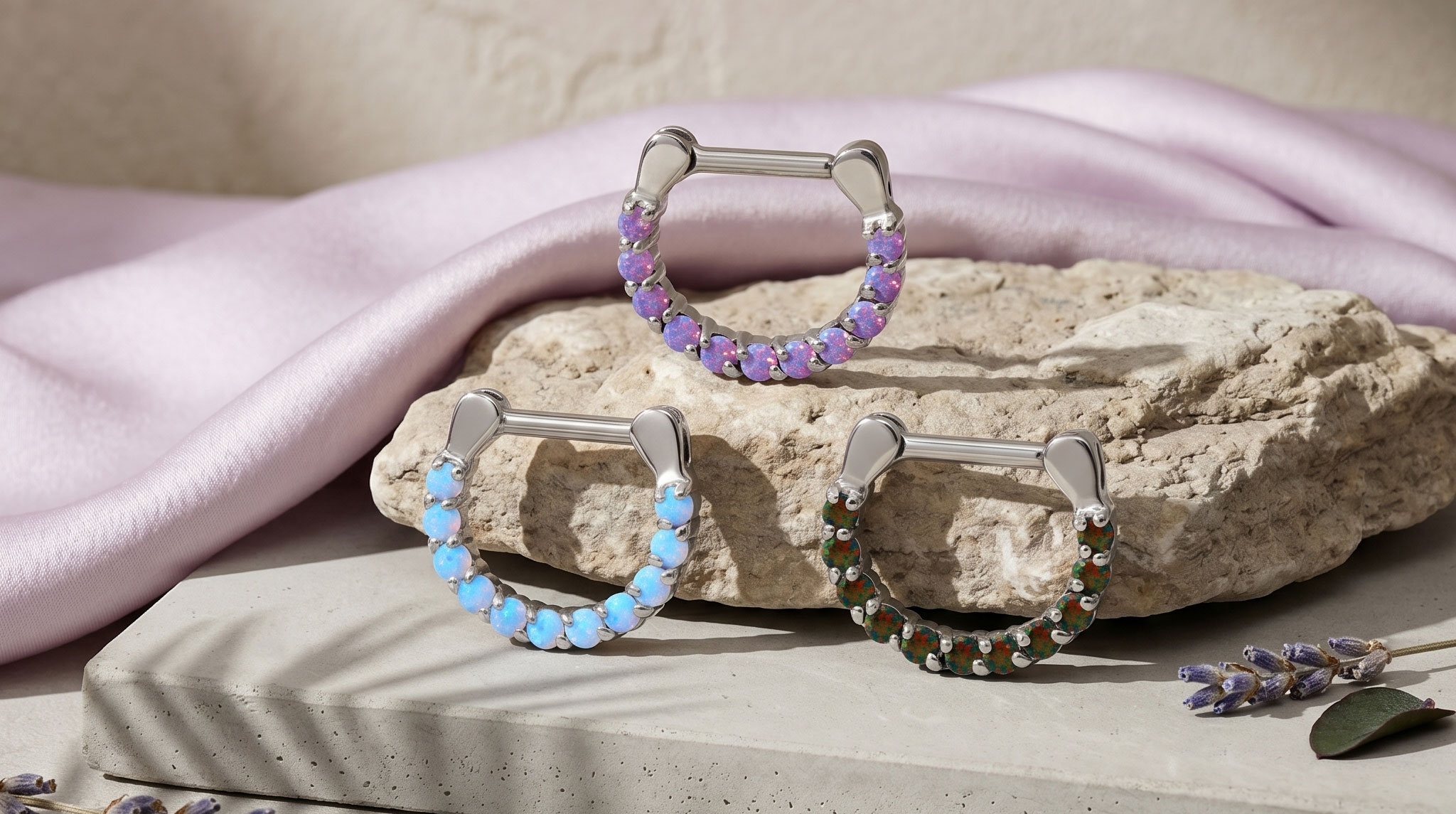
These are the pieces that support both initial service needs and repeat customer demand.
Keep a Tight Size Range of Best-Selling Measurements
Not every size deserves equal space in your stock. A practical studio inventory focuses on the sizes that move most often.
That means keeping a reliable range of:
- your most used gauges
- your most common bar lengths
- your most requested ring diameters
- your most practical top or end sizes
When studios lose track of this, they often end up with too many slow variations and not enough of the actual essentials.
If you need a quick sizing reference, use our Size Chart page.
Titanium Should Be a Core Category
For many studios, implant-grade titanium ASTM F136 should not be treated as a side category. It should be one of the core pillars of the stock mix.
It supports:
- strong material confidence
- studio credibility
- premium service positioning
- everyday best-seller demand
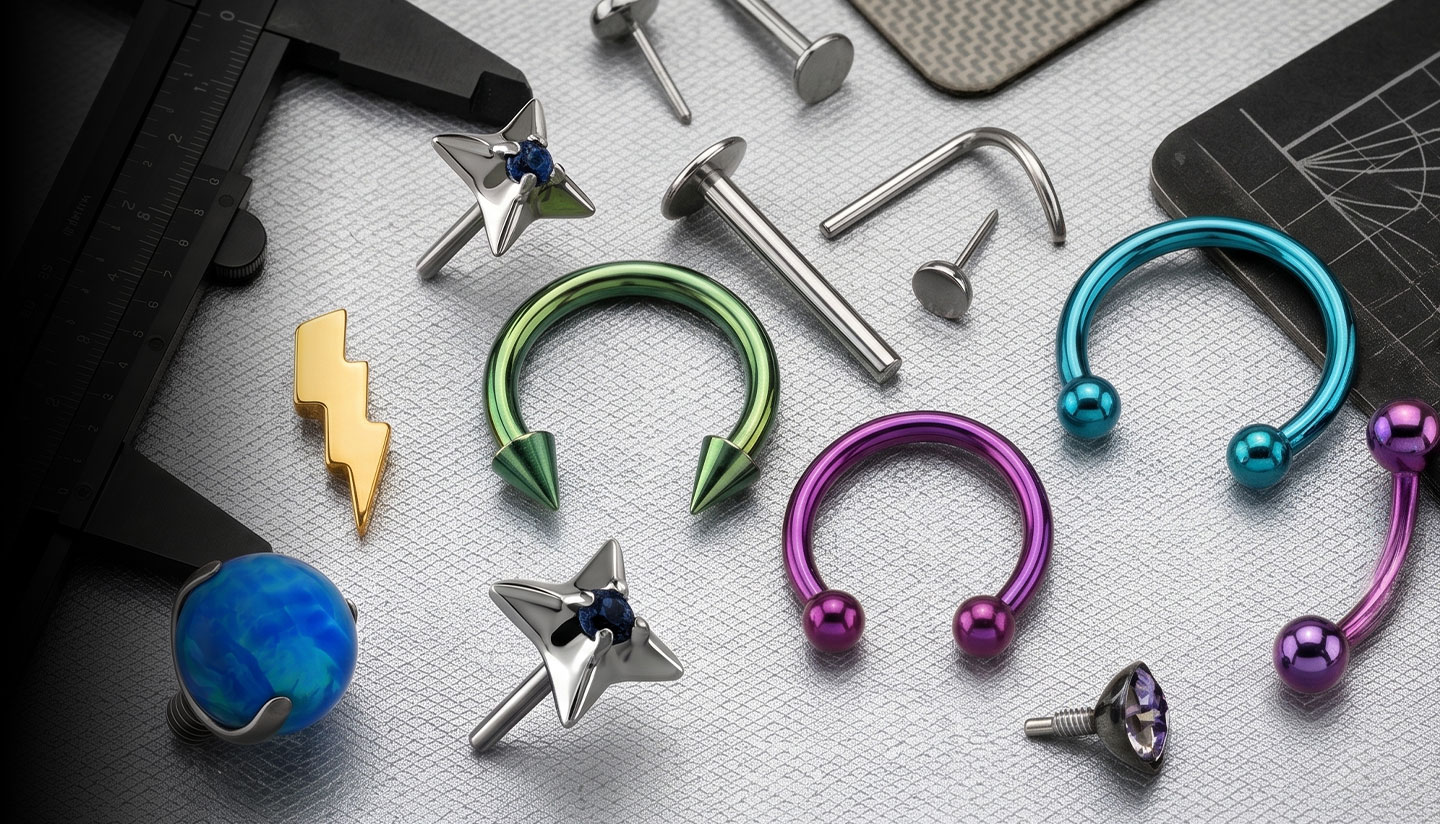
Whether a studio keeps only a focused titanium range or builds it into multiple categories, it is usually one of the most commercially important materials to keep consistently available.
Ring Styles Need Reliable Coverage
Ring-based jewelry is one of the easiest places to lose sales through poor availability. If your customers regularly ask for septum jewelry, ear clickers, or decorative hinged rings, then those styles need better stock discipline than many studios give them.
For many studio setups, keeping a reliable ring selection means covering:
- core hinged clickers
- standard diameters
- a few visual best-sellers
- essential finishes or colors
This is often a higher-value category than studios first expect.
Basic Does Not Mean Unimportant
One of the biggest mistakes in studio buying is underestimating basic jewelry.
Basic pieces may not always look exciting on a buying sheet, but they often:
- turn faster
- support services directly
- restock more consistently
- carry less style risk
- support stronger inventory discipline
A studio can sell stylish jewelry well only when the basic categories are already solid.
Keep Some Upsell Pieces, But Stay Focused
Studios should not stock only basics. Decorative and design-led pieces matter too. But they should sit on top of the essentials, not replace them.
The best balance is usually:
- strong basics
- a focused premium material range
- a smaller layer of visual upsell options
That gives customers choice without making the inventory unstable.
Restocking Should Follow Real Movement
What a studio should always keep in stock should be based on:
- actual sales
- actual service frequency
- real reorder patterns
- replacement demand
- category turnover
That sounds obvious, but many studios still buy based more on taste than on movement. The stronger inventory decisions usually come from discipline, not only preference.
Final Thoughts
The best in-stock product range is not the widest one. It is the one that supports the daily reality of the studio.
For most piercing studios, that means keeping core jewelry types, practical sizes, strong titanium coverage, reliable ring options, and fast-moving basics available at all times.
If you are reviewing your studio inventory and want help refining your wholesale mix, please visit our Contact Us page.
Authur: ITAY IZHARI
Commercial & Marketing Manager